
Introduction
IN 1978, ONE SONG HIT NO. 1 — IN 2016, IT SAID GOODBYE.
Some songs arrive like a spark. Others linger like a hand on your shoulder. "Tulsa Time" did both—first as a chart-topping country hit in 1978, then decades later as something far heavier: a quiet goodbye that nobody in the room wanted to name out loud.
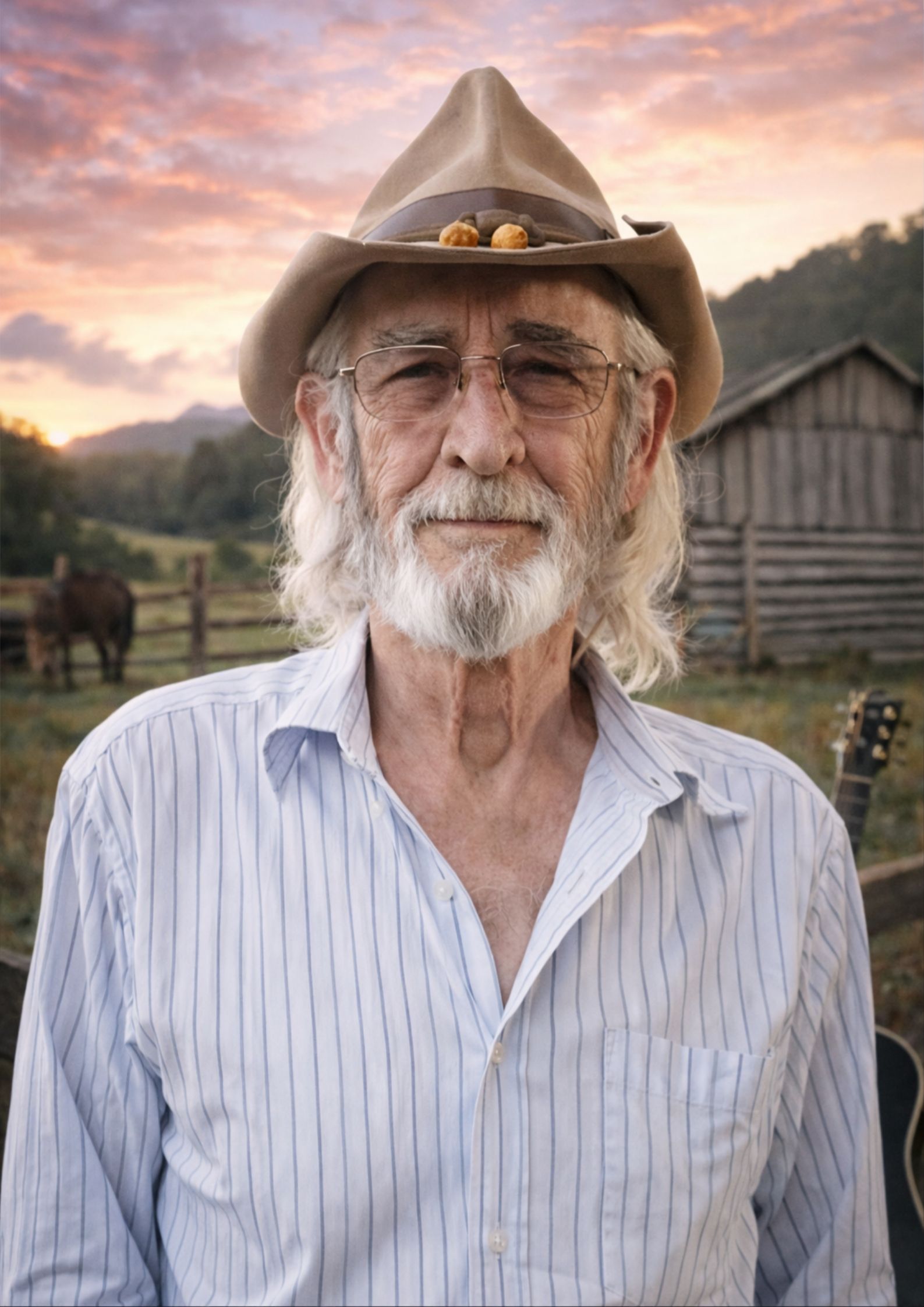
In 2016, during his Farewell Tour, Don Williams stepped under soft stage lights and sang "Tulsa Time" one last time. No fireworks. No dramatic pauses engineered for tears. No long speech about legacy. Just a microphone, a band, and that steady voice that had always sounded like it came from the same place—calm, grounded, and unbothered by the noise of the world.
And the crowd responded in a way that said everything. They didn't erupt so much as lean in.
When a Hit Stops Feeling Like a Hit
Back in 1978, "Tulsa Time" was motion—rhythm, road miles, a little swagger without arrogance. It was the kind of song that made people turn the radio up and tap the steering wheel without thinking. It had a pulse that felt young, confident, and wide open.
But in 2016, the meaning shifted. Not because the lyrics changed—because the listeners had.
A song doesn't stay the same when you carry it through decades of living. It collects memories like dust on a well-loved record sleeve. It becomes the soundtrack of jobs you started and left. The kitchen where your kids grew up. The long drives you took when you didn't know what to do with your feelings. The people you loved who aren't here anymore.
So when Don Williams sang it late in his career, "Tulsa Time" didn't land like a party. It landed like a reunion.
The Power of Don Williams' Stillness
There was always something quietly radical about Don Williams: he never tried to win you over with volume. His greatness came from restraint. From trust. From the confidence of someone who knew that sincerity ages better than showmanship.
On that Farewell Tour stage, he didn't move like a man proving anything. He stood like a man who had already done the work—and made peace with what it cost. A small nod to the band. A measured breath before the next line. The kind of presence that doesn't demand attention, yet somehow becomes the only thing you can focus on.
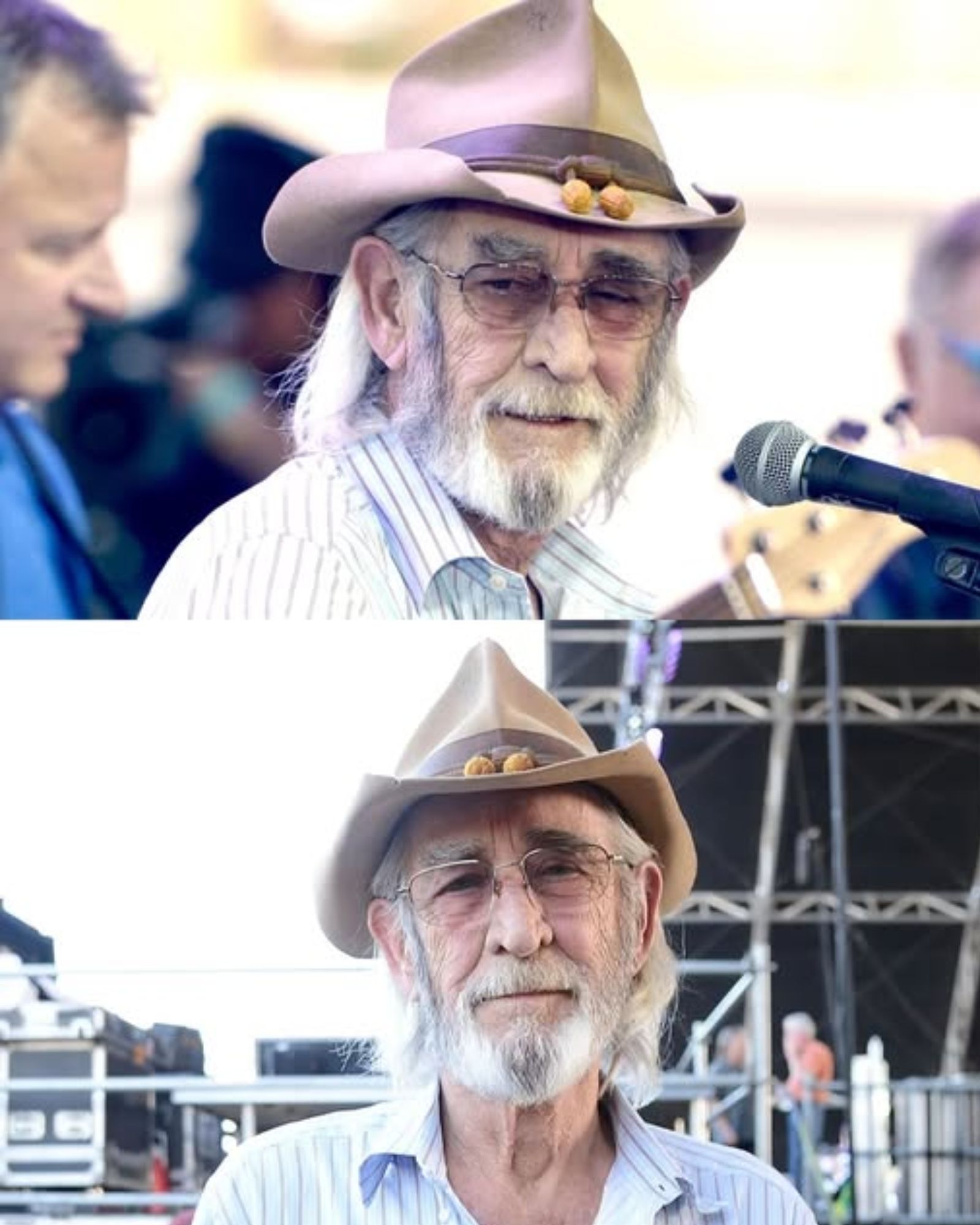
And then the voice—warm, familiar, unhurried—settled across the room. Not flashy. Not chasing the moment. Just present. Like he was offering the song the way you offer a story to someone you trust: without exaggeration, because the truth doesn't need it.
The Distance Between 1978 and 2016
If you've ever heard a song you loved as a teenager and then heard it again after life has taken its toll, you know the strange feeling: it's the same melody, but it hits different places in your chest.
In 1978, "Tulsa Time" was a No. 1. In 2016, it became a timeline you could feel.
People in the audience weren't just singing because they knew the words. They were singing because the words knew them. Because the song had been with them in rooms where they laughed too hard, and rooms where they couldn't find the strength to talk. You could see it in the small details: couples leaning closer than usual. A man in a ball cap blinking too long. A woman smiling through that soft ache that doesn't need permission to show up.
This wasn't nostalgia as entertainment. It was nostalgia as recognition.
Not a Finale — A Curtain Call
Some farewells are loud because the artist can't bear to let go. Don Williams' farewell felt different. It felt like a quiet conversation after everyone else has gone home—the kind where nobody needs to explain what the moment means, because everyone already knows.
He didn't turn "Tulsa Time" into a dramatic farewell statement. He didn't ask for tears. He didn't pressure the room into emotion. That was the beauty of it: he let the song do what it had always done—carry people—and he simply stood inside it one more time, as if to say, This is enough. It has always been enough.
The Silence That Said More Than Applause
When the final notes faded, applause came—of course it did. But the part people remember isn't the clapping. It's what happened right after.
That suspended hush. That rare moment when a venue holds silence with respect—like nobody wanted to be the first to break the spell. In that pause, "Tulsa Time" stopped being just a hit from the late '70s and became something personal: a goodbye delivered without theatrics.
And that's why the performance stays with people. Not because it was bigger than life—but because it was honest about it.
Don Williams didn't need a grand exit to be unforgettable. His gift was steadiness. Humility. A voice that never chased the moment because it didn't have to.
Sometimes the most powerful farewell isn't spoken.
It's sung—one last time—exactly the way it always was.